

TMJ Treatment
What Is TMJ Disorder?
Find Out What's Behind Your Jaw Pain
Jaw pain can make everyday things like eating, talking, and sleeping harder than they should be. If you're dealing with headaches, clicking or popping in your jaw, or discomfort when you chew, you don't have to simply live with it.
Dr. Slaughter and our team at Texas Institute of Oral Facial & Implant Surgery, take the time to understand what you're experiencing and help you determine whether TMJ treatment may be right for you. With offices in Duncanville and Midlothian, we're here to help you understand your options and find an approach that fits your needs.
Could TMJ Be Causing Your Symptoms?
TMJ problems affect the joints and muscles that help your jaw move. Symptoms can vary from person to person, and sometimes jaw problems show up in ways you may not immediately connect to your jaw.
You may be experiencing a TMJ problem if you have:
- Persistent jaw pain or tenderness
- Headaches, particularly when you wake up
- Clicking or popping when you open or close your mouth
- Pain or difficulty when chewing
- Jaw tension or discomfort
- Difficulty moving your jaw comfortably
If these symptoms are becoming part of your daily routine, a consultation can help you understand what's going on. We'll listen to what you've been experiencing, evaluate your jaw, and explain what we find.
What Is TMJ Treatment?
TMJ treatment focuses on problems affecting the temporomandibular joints and the muscles that help your jaw move. Because TMJ symptoms can vary from one person to another, treatment isn't one-size-fits-all.
Our approach is to first understand your symptoms and what may be contributing to your discomfort. From there, we'll explain your options and help you determine which treatment approach makes sense for you.
When appropriate, we begin with conservative treatment before considering more advanced options. The goal is to address your needs without recommending more involved treatment than necessary.
How Is TMJ Treated?
There are several approaches to TMJ treatment, depending on your symptoms and individual needs. Dr. Slaughter and our team will explain which options may be appropriate for you.
Physical Therapy
Physical therapy can help address tension around the jaw using techniques such as massage and exercises. These approaches may help improve comfort and jaw function.
Splint Therapy
A dental splint may be used to help stabilize your jaw and reduce strain on the joint. We'll explain how splint therapy works and whether it may be appropriate for your symptoms.
Dietary Adjustments
If chewing is painful or uncomfortable, changing the foods you eat for a period of time may help reduce stress on your jaw while you're receiving treatment.
Laser Dentistry
In some cases, laser dentistry may be used to help reduce inflammation and support healing with minimal discomfort.
More Advanced Treatment
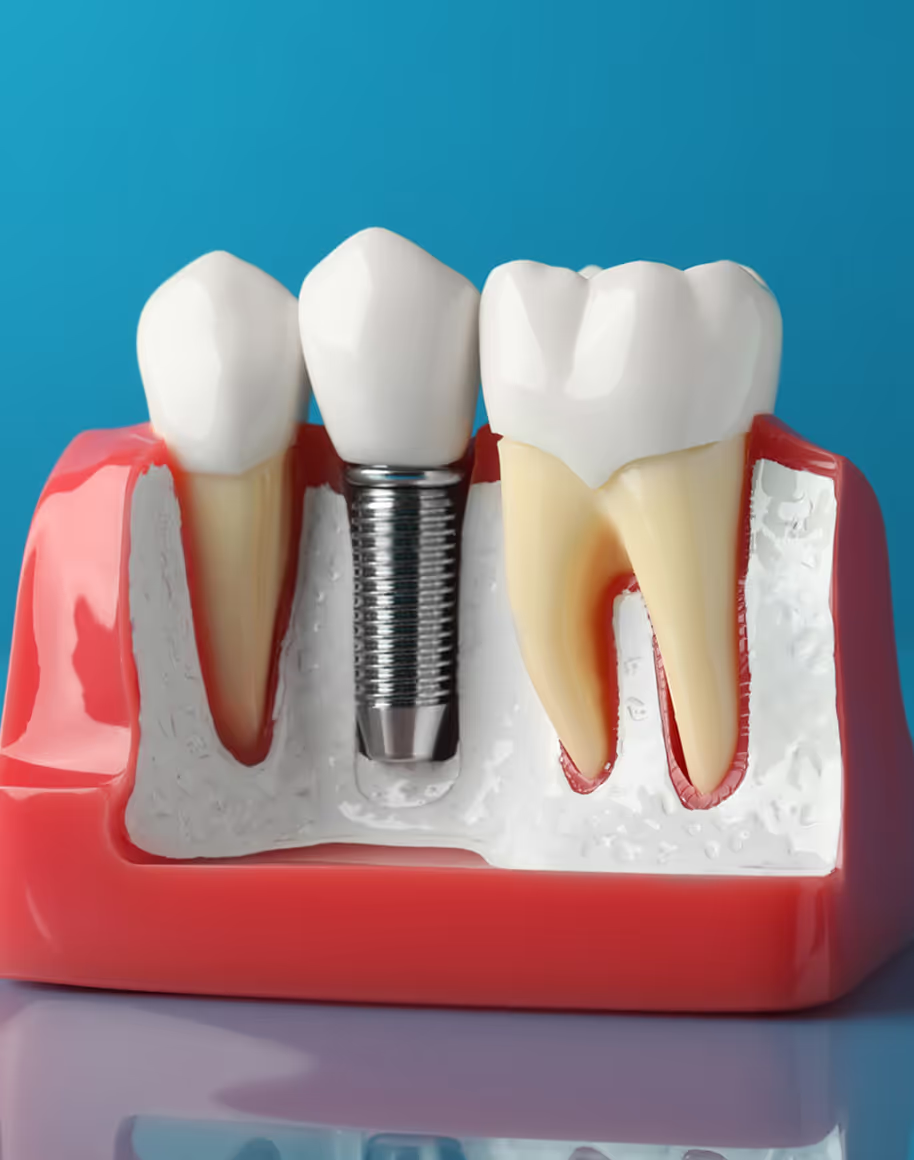
If conservative approaches aren't enough, more advanced treatment may be considered. In certain cases, implant dentistry can be used to help stabilize the jaw joint.
We'll explain why a particular treatment may be recommended, what you can expect, and what your options are before moving forward.
What Happens During a TMJ Consultation?
Your first step is a conversation about what you're experiencing. We'll ask where you're feeling discomfort, how long it's been going on, and how it's affecting your daily life. From there, we'll:
Listen to your concerns
We'll start by hearing about your symptoms and which ones are affecting you most.
Evaluate your jaw
We'll assess your jaw function and symptoms to understand what's contributing to your discomfort.
Explain what we find
We'll walk you through our findings and answer your questions in plain language.
Discuss your treatment options
We'll go over the approaches that may fit your situation, starting with conservative options when possible.
Build a plan around your needs
Your treatment plan will be based on your symptoms, goals, and the approach we believe fits you best.
You should never feel rushed into a decision. Our team is here to make sure you understand your care and feel good about your next step.
Why Choose Texas Institute of Oral Facial & Implant Surgery?
When you're dealing with ongoing jaw pain, you want a team that will listen and take your concerns seriously. At Texas Institute of Oral Facial & Implant Surgery, Dr. Slaughter and our team take a patient-focused approach to TMJ care.
We believe you should understand what's happening with your jaw and why a particular treatment may be recommended. That's why we take the time to explain your options, answer your questions, and build a treatment plan around your needs.
Patients visiting our Duncanville and Midlothian offices can expect:
- Personalized care: Your treatment plan is based on your individual symptoms and needs.
- Clear communication: We explain your options and make sure you understand your care.
- A caring approach: We understand that ongoing jaw discomfort can affect your everyday life, and we'll take your concerns seriously.
- Modern treatment options: Our team uses modern treatment approaches to provide care based on your needs.
- Support throughout treatment: We're here to answer questions and guide you through each step of your care.
Frequently Asked Questions
Common TMJ symptoms include jaw pain or tenderness, clicking or popping, headaches, jaw tension, and pain or difficulty when chewing. Some people may also experience difficulty moving their jaw comfortably.
TMJ problems can have different causes, which is why an evaluation is important. Your symptoms and jaw function can help your dental team understand what may be contributing to your discomfort.
TMJ treatment depends on your symptoms and individual needs. Treatment may include physical therapy, massage, exercises, splint therapy, dietary adjustments, or laser dentistry. More advanced treatment may be considered when appropriate.
Not necessarily. TMJ treatment can often begin with conservative approaches. If you need more advanced care, Dr. Slaughter will explain your options and why a particular treatment may be recommended.
TMJ problems can be associated with headaches, including headaches that occur when you wake up. If you're experiencing headaches along with jaw pain, clicking, or difficulty chewing, it's worth discussing your symptoms with a dental professional.
It may, depending on what's causing the clicking. Jaw clicking can have different causes, so an evaluation is the best way to understand what's happening and whether treatment may help.
Consider scheduling an evaluation if your jaw pain persists, makes chewing difficult, is accompanied by clicking or popping, or is affecting your everyday activities. A consultation can help you understand what may be causing your symptoms and what treatment options are available.
There isn't one treatment that's right for everyone. Dr. Slaughter and our team will evaluate your symptoms, explain the available options, and recommend an approach based on your individual needs.